Exploring Custom Table Options In Online Poker Clients
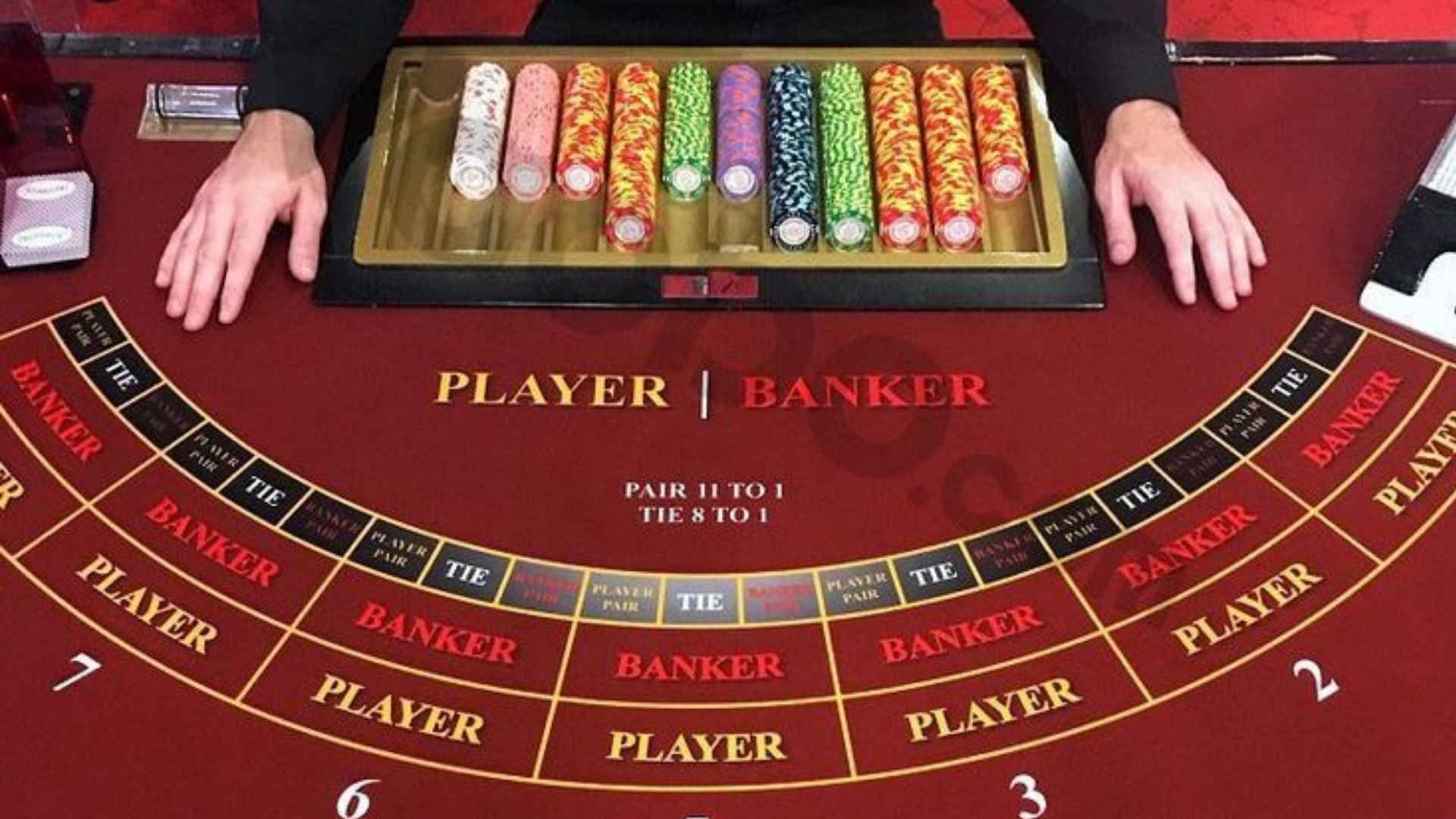
The virtual environment provided by online card rooms plays a substantial role in maintaining high levels of focus and tactical precision during intensive sessions. Dedicated card enthusiasts often spend hours navigating through rapid actions, making personal software modifications essential for long-term comfort. Exploring the structural flexibility of a poker application allows participants to eliminate visual friction and build a workspace tailored to their exact multitabling preferences.
Visual Adjustments and Felt Customization
Modern gaming architecture provides players with a diverse array of graphical tools to alter the appearance of their virtual tables. Users can change the background felt colors and choose minimalist card designs to enhance real-time readability under heavy operational loads. These presentation upgrades reduce eye strain significantly, which proves highly beneficial during extended tournament structures.
Furthermore, removing complex thematic elements helps maintain a clear mental focus on tracking blind levels and chip stacks. Choosing straightforward deck styles, such as four-color variations, ensures that suit configurations remain instantly recognizable. This deliberate reduction in visual clutter helps prevent critical misclicks during high-stakes wagering rounds.
Optimizing Layout Configurations for Multitabling
Managing multiple gaming tables simultaneously demands an exceptional degree of organizational software capability. Advanced poker clients feature built-in grid layouts and cascading mechanics that rearrange active sessions across various monitor sizes automatically. Implementing these automated spacing options ensures that crucial decision windows remain completely visible at all times.
When scaling operations up across multiple screens, evaluating system compatibility alongside navigation fluidity is highly recommended. Utilizing a reliable m88 login pathway allows enthusiasts to access highly functional and securely structured global platforms easily. Keeping individual windows organized symmetrically minimizes unnecessary physical mouse movement and accelerates tactical responses during intensive play.
Tailoring Interactive Control Mechanisms
Beyond basic aesthetic modifications, adjusting individual interaction settings transforms standard setups into highly intuitive personal systems. Players can define custom keyboard hotkeys and modify bet sizing sliders to execute preferred wagering strategies immediately. These configuration enhancements remove mechanical friction, allowing users to dedicate their full focus to calculating complex pot odds.
Additionally, configuring automated check and fold options helps individuals manage background activities without breaking their primary concentration. Most premium applications remember these unique user preferences across different device logins seamlessly. Tailoring active alert notifications also ensures that critical updates register without disrupting the underlying flow of gameplay.
The Long Term Value of Regular Technical Maintenance
Consistently updating individual preference configurations plays a monumental role in ensuring system stability and fair execution. Software development teams frequently refine background processing loops to optimize data transfer speeds during periods of high network traffic. Staying updated with these structural enhancements protects personal gameplay data and prevents unexpected connection lag.
Ultimately, taking the time to explore and refine personal table settings ensures a highly reliable and satisfying card experience. Balancing minimalist interface designs with robust tracking mechanisms allows players to maximize their efficiency effortlessly. Selecting platforms backed by flexible architecture guarantees a professional workspace built for ongoing competitive success.